Why Do Specialty Coffee Prices Fluctuate?
Why Do Specialty Coffee Prices Fluctuate? 3 Real Reasons (and Why It’s Worth It)
Why Specialty Coffee Prices Move—And How to Win at Home
Let’s say it out loud: great coffee isn’t cheap. I roast for flavor, not for the lowest shelf price. I’ve tried the bargain route. My mug tasted like wet cardboard. Not fun.
Why Do Specialty Coffee Prices Fluctuate? Because the best beans are hand-picked, limited, and cared for like tiny treasures. Yes, that raises the price. But when you brew at home, your cost per cup often beats the café—and your morning gets better, faster, calmer.
I’ll show you the top 3 real reasons prices move, why paying a little more is actually investing in your daily ritual, and how to buy smart so your wallet and taste buds both smile.
Why Do Specialty Coffee Prices Fluctuate? (Short Answer)
Because quality costs real work, harvests change, and the world keeps shifting. Here’s the simple breakdown.
1) Farm-Level Quality & Labor (the “hands + harvest” effect)
-
Selective picking: Ripe cherries only. That means more passes, more time, more skilled labor.
-
Careful processing: Washed, honey, natural, anaerobic—great processing demands equipment, water, space, and constant attention.
-
Smaller, better lots: Top-scoring micro-lots are scarce by design. Scarcity + quality = price signals.
Plain talk: When a farm pushes for high Q-grades, costs rise. You’re not just buying beans—you’re paying for the careful hands that protected flavor at every step.
2) Logistics, Currency & Seasonality (the “moving world” effect)
-
Freight & fuel swing. A ship or truck costs more? That ripples through the final price.
-
Currency rates change. Coffee is traded globally; exchange rates can nudge prices up or down.
-
Seasonal supply: Origins peak at different times. If a beloved lot sells out, the next equally good option may be priced differently.
Plain talk: Even perfect coffee rides a roller coaster called “the real world.” That’s normal.
3) Roaster Standards & Small-Batch Reality (the “taste first” effect)
-
Roast-to-order = smaller, fresher batches. Smaller batches mean higher per-unit costs—but better flavor and consistency.
-
Rigorous QC: Sample roasting, dialing in, cupping, discarding flawed roasts—it all takes time and materials.
-
Packaging that protects: Quality valves, bags, and labels are not free, and they guard your cup from oxygen and staleness.
Plain talk: You pay a bit more so your cup tastes a lot better. That’s the trade I make every day.
The Investment Mindset: “Expensive”… or Efficient?
Here’s the surprise: café-level coffee at home often costs less per cup than a daily café run, and it saves you time. Time is the one thing we can’t buy more of—but we can buy coffee.
Time & Money, Side-by-Side
| Option | Est. Cost per Cup | Time per Morning | Control & Consistency | Notes |
|---|---|---|---|---|
| Random bargain coffee | $0.40–$0.60 | 4–6 min | Low (stale/flat risk) | Looks cheap, tastes “meh,” easy to waste |
| Fresh specialty at home | $0.80–$1.40 | 5–7 min | High (dialed recipe) | Best daily return on flavor |
| Daily café run | $4–$7 | 15–30 min | Medium | Pricey + commute + line time |
| Set-and-forget auto brewer (e.g., Fellow Aiden style) | $0.90–$1.50 | 2–4 min | High | Wake up → press button → smile |
Takeaway: Paying for great beans + a simple workflow is cheaper than a café and faster than a commute, while giving you café-level taste every single day.
Buying Guide: Freshness, Style, and Smart Choices
Roast Date vs. “Best-By”
-
Roast date wins. Coffee is an agricultural product. Freshly roasted beans bloom with aromatics.
-
“Best-by” is a shelf label. It doesn’t tell you when flavor peaked.
-
Aim to brew most coffees 5–30 days off roast (general guide; brew method and preference vary).
Expert tip: Don’t buy “big discount” coffee. It’s often old and stale—discounted to clear a warehouse, not to delight your cup.
Single-Origin vs. Blend
-
Single-origin = distinct place and personality (fruit, florals, terroir).
-
Blends = balance and repeatability (chocolate, nutty, round body).
-
Neither is “better.” Choose what fits your taste and mood.
Brew Tool Upgrade That Feels Like a Cheat Code
If you love pour-over taste but want “press-button” ease, consider an auto pour-over style brewer (think Fellow Aiden vibe). It nails water temp and flow so you can sip café-level cups before your brain boots up.
How to Buy Smart—Simple, No Guesswork
-
Pick your taste lane: fruity/bright, chocolatey/nutty, or balanced.
-
Buy fresh, roast-dated coffee from a roaster you trust.
-
Lock a simple recipe: 1:16 ratio (e.g., 25 g coffee → 400 g water), ~200°F, medium grind.
-
Keep it consistent: same grinder, same water, same brewer for a week. Taste improves fast.
-
Refill on rhythm: aim for 2–4 weeks of beans at a time for peak flavor and less waste.
If you want curated beans with zero guesswork, my done-for-you approach was built for for that. However, it's not open to the public, but feel free learn more about it here.
Specialty Coffee & Your Daily Ritual (Why “Pricey” Isn’t Actually Pricey)
Think of your beans like this:
-
Value per minute: you save time by brewing at home.
-
Value per sip: you control freshness, grind, and recipe.
-
Value per day: a small premium returns daily joy. That’s best craft coffee at home energy.
FAQ For Coffee Lovers at Home
Q1. Why Do Specialty Coffee Prices Fluctuate?
Because quality labor, changing harvests, global shipping, and small-batch roasting all move costs. When quality and scarcity rise, price follows.
Q2. Is expensive specialty coffee really worth it at home?
Yes. Cost per cup stays low, flavor gets high, and you save time. Control beats convenience lines.
Q3. How can I keep costs down without losing quality?
Buy fresh, roast-dated beans; brew at a steady 1:16 ratio; store airtight; and stick to one method for a week to improve consistency.
Q4. Should I choose single-origin or a blend?
Pick single-origin for unique flavors; pick blends for reliable balance. Both can be excellent.
Q5. What’s a simple beginner recipe that works?
Try 25 g coffee to 400 g water, ~200°F, medium grind. Adjust grind finer if sour, coarser if bitter.
Q6. Is “best-by” good enough for freshness?
No. Roast date tells the real freshness story. “Best-by” is a shelf label, not a flavor promise.
Want a deeper, step-by-step buying plan? Read Order Coffee Online Like A Pro to skip the hype and pick beans that fit your taste, budget, and brew style.
PS (Your Extra Sip)
If you want a no-guesswork coffee delivery experience at home, grab my free guide here:
Deliver Morning Magic — a quick checklist for choosing roast-dated, good coffee beans that actually match how you brew.
Internal links:
Shop my coffees • Curated Better Morning Coffee at Home Program • Order Coffee Online Like A Pro • Coffee bean buying guide & tips • About my roastery
Also in Best Coffee To Buy Online Education
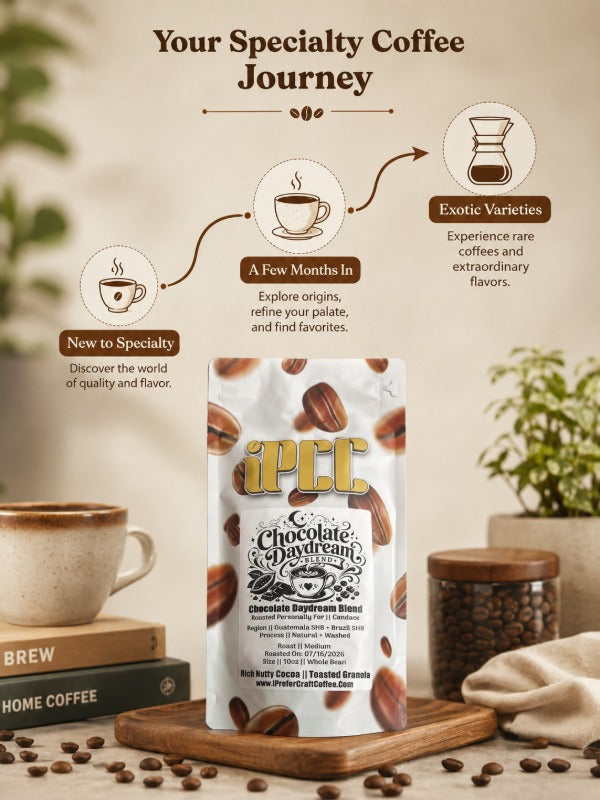

Medium Roast Specialty Coffee: Best Picks by Palate
This article explains how to choose medium roast specialty coffee based on experience level, why natural processed, low-acidity blends from South and Central America suit beginners, and how home coffee lovers can work toward more nuanced, exotic single origins like Geisha or Mokka as their palate develops.
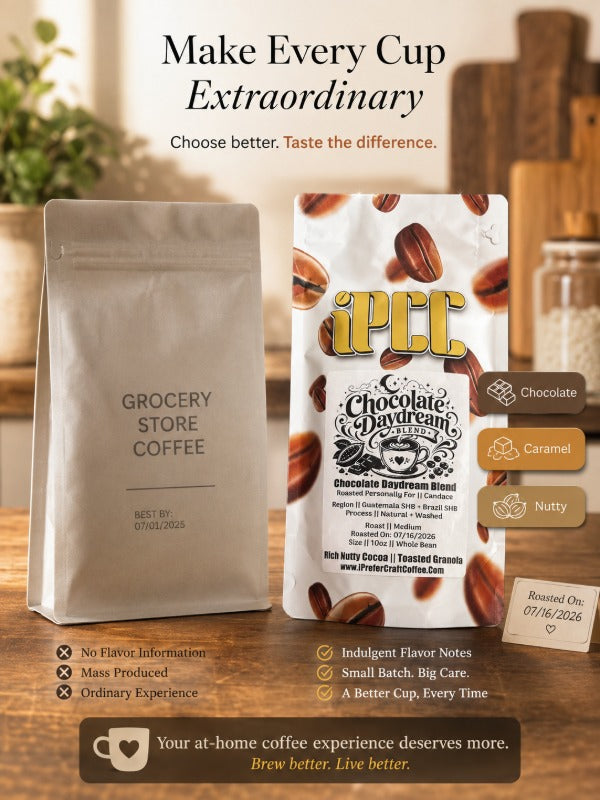

Cafe-Level Coffee at Home: Beans, Not Big Coffee Lies
This article explains why cafe-level coffee at home depends on the quality and freshness of the beans rather than brewing equipment, and shows beginner home coffee lovers how to choose smoother, less bitter specialty coffee by matching it to familiar flavors like chocolate, caramel, and nuts.
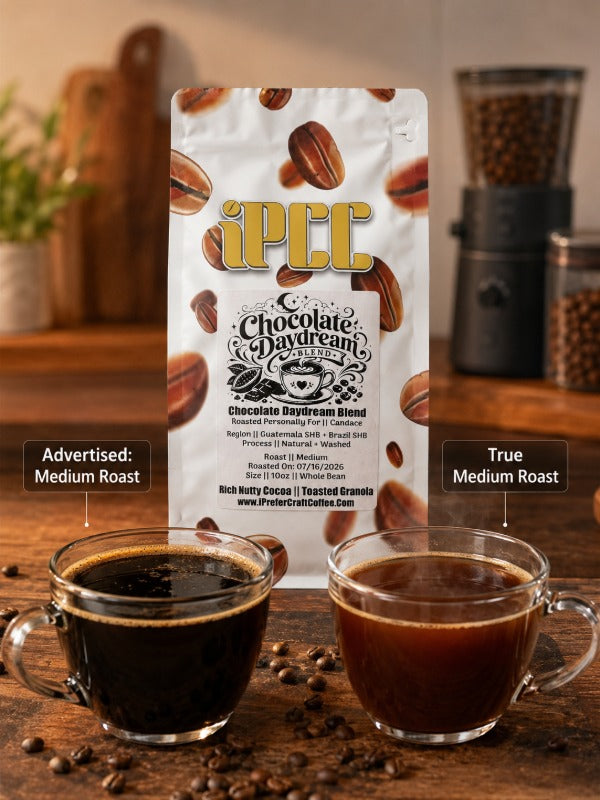

Best Craft Coffee Online: Roasted How You Actually Want
This article shares a customer story about switching from a local roaster that consistently over-roasted its coffee to hide flaws, to the best craft coffee online roasted to order at the true, advertised roast level, and explains how home coffee lovers can spot over-roasting and find a roaster who actually listens to their taste.